

AI-modified image

Industrial Plastic Processing

Cutting Fiber-Reinforced Plastics

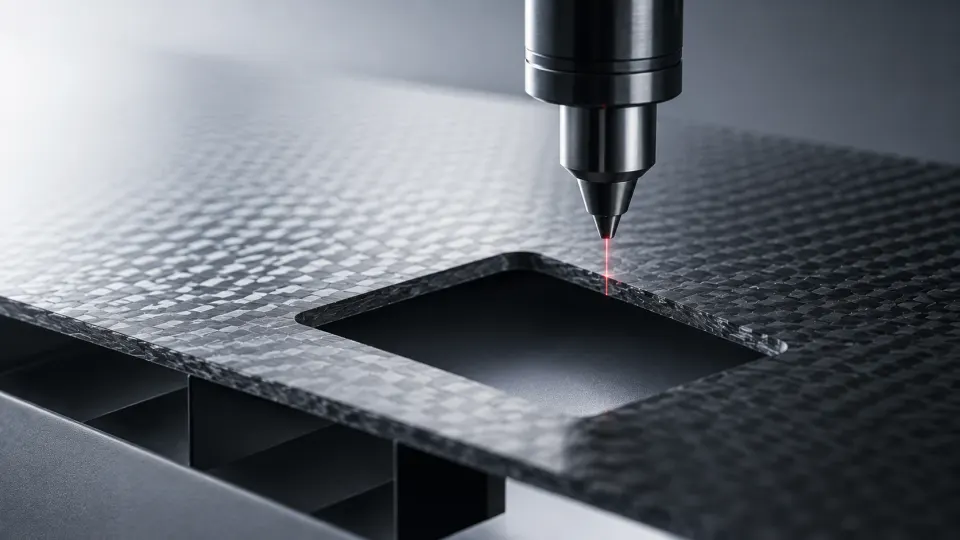
Precise composite contours without cutting-tool wear: Futonics thulium fiber lasers deliver tightly focused energy for contact-free processing of suitable GFRP and CFRP components, avoiding mechanical loading by a cutting tool.

Discuss your application

Precision cutting of composite materials

Fiber-reinforced plastics combine a polymer matrix with glass, carbon or other reinforcing fibers and are widely used in lightweight engineering.

Mechanical machining can cause tool wear, fraying, delamination or mechanical stress. Laser cutting provides a contact-free alternative for complex contours and fine geometries.

The advantages of thulium fiber lasers for composites

Fibers and polymer matrices have different absorption and heat-conduction properties. High beam quality and precise focusing help deliver energy locally and reproducibly.

The high power density in the focus supports cutting complex geometries while eliminating mechanical tool wear and reducing component loading.

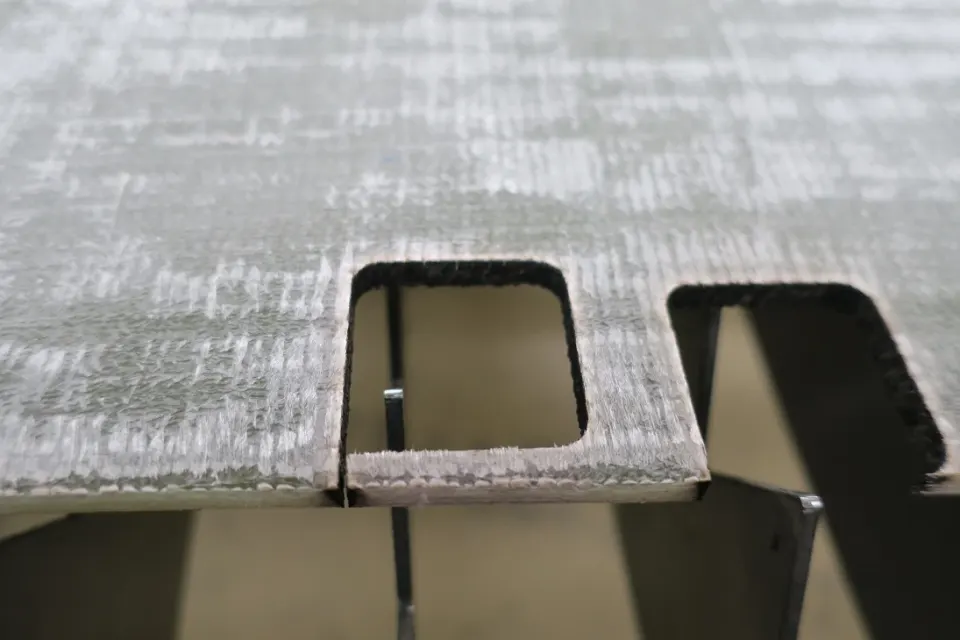
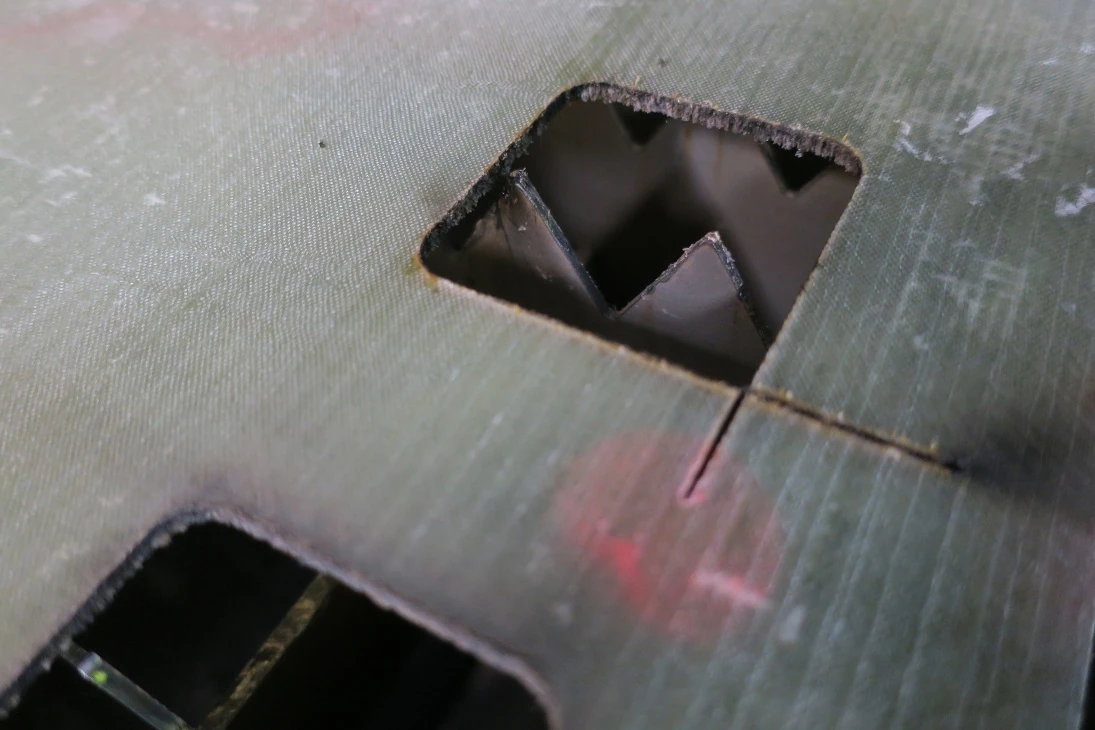
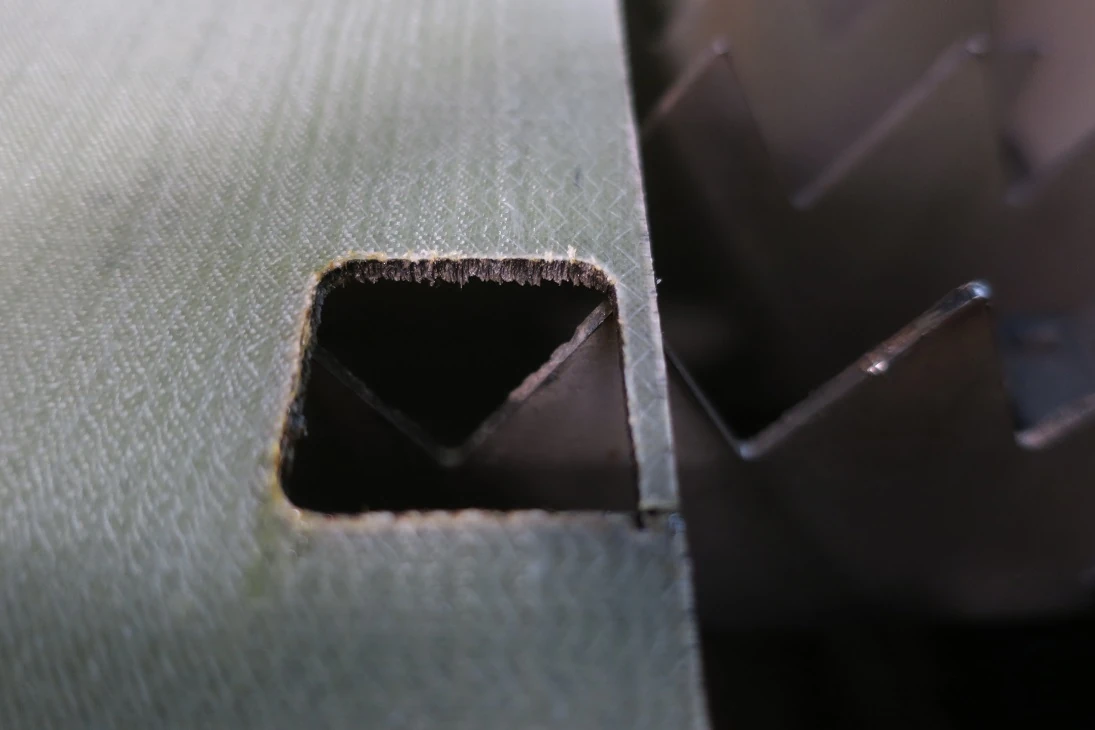
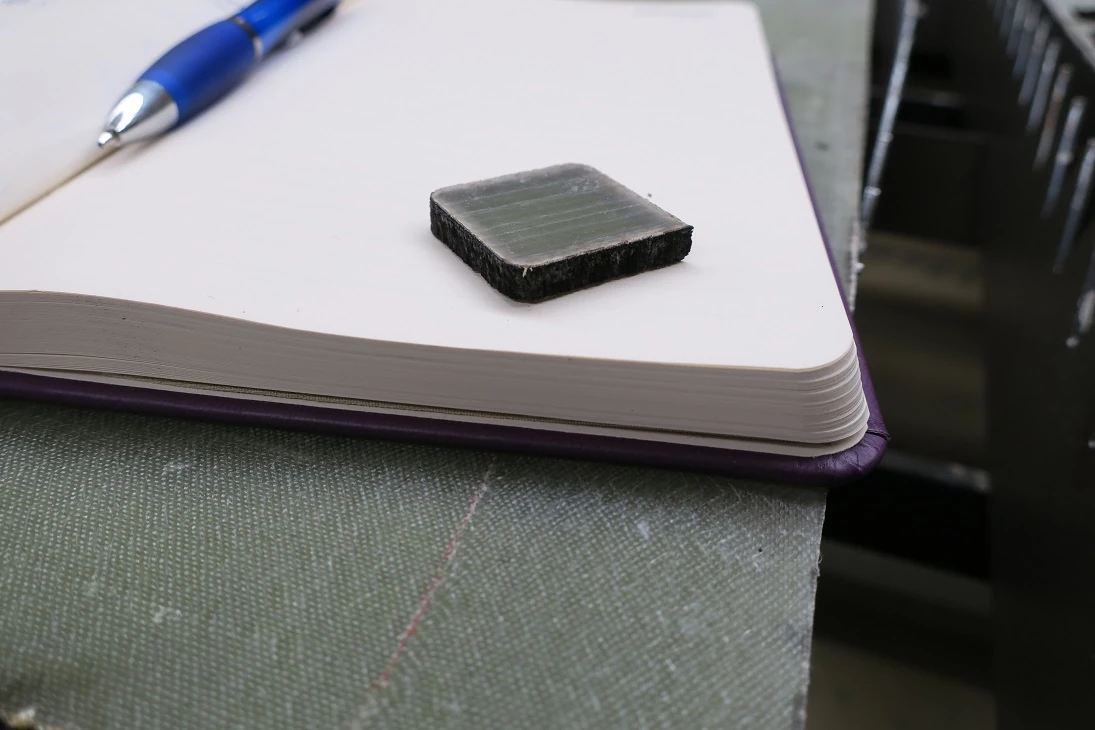
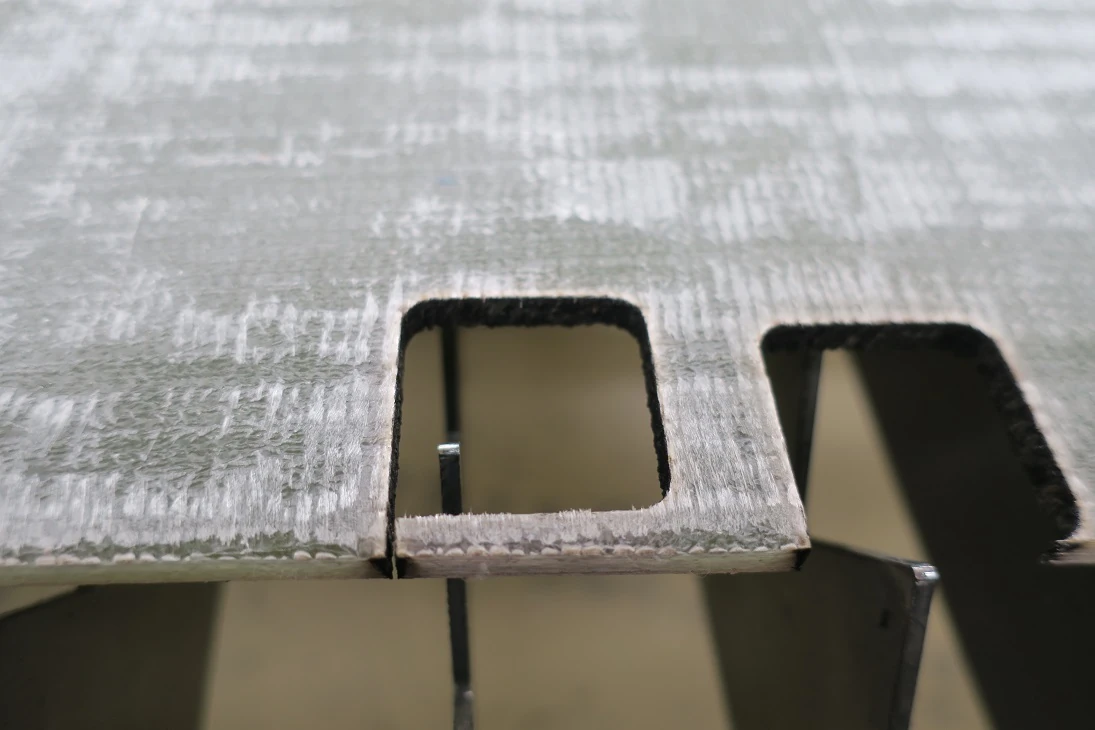
Laser-cut edge of a fiber-reinforced composite material.

FRP, GFRP and CFRP: fibers and polymer matrix

Fiber-reinforced plastics combine a polymer matrix with reinforcing fibers. GFRP uses glass fibers and CFRP uses carbon fibers; these lightweight composites are used in automotive, aerospace, mechanical-engineering and other structural applications. Thermoplastic and thermoset composites can present different processing requirements.

The fibers and matrix differ in absorption and thermal conduction, so the cutting task cannot be assessed from laser power alone. Material structure, fiber type, matrix and thickness must be considered alongside the contour and required cut-edge quality.

Contact-free contour cutting and industrial examples

Abrasive reinforcing fibers place heavy loads on mechanical cutters, milling tools and drills. Tool wear and mechanical contact can contribute to fraying, delamination and stress at the cut edge. Laser cutting removes the mechanical cutting-tool contact and supports narrow, reproducible contours through a tightly focused beam.

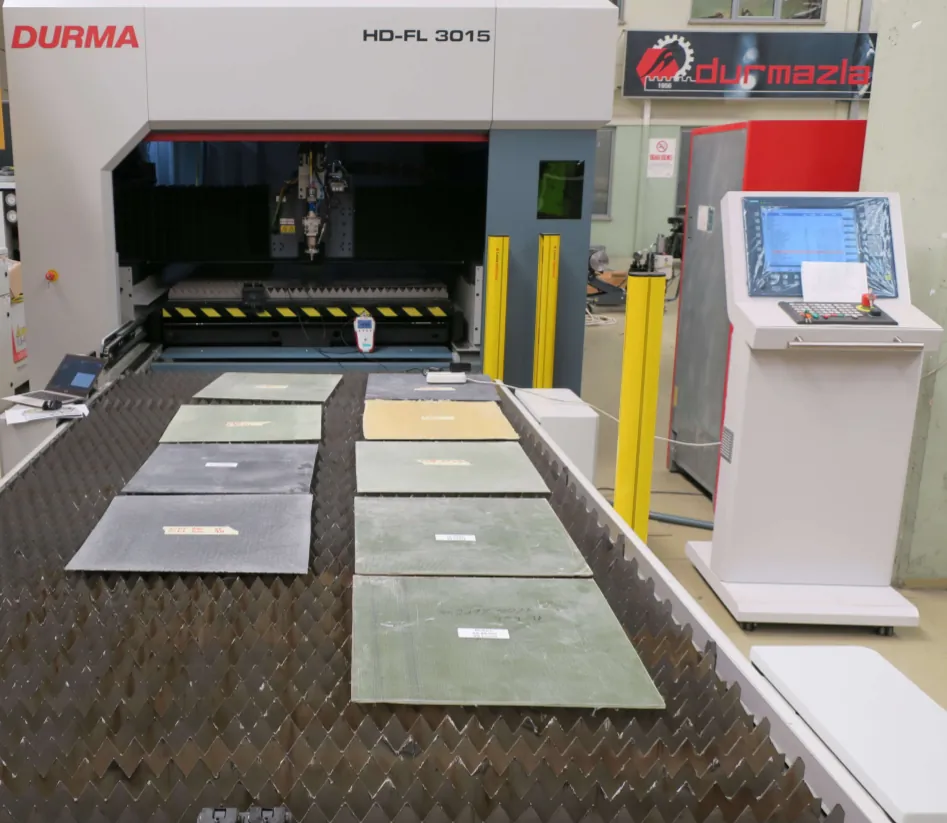
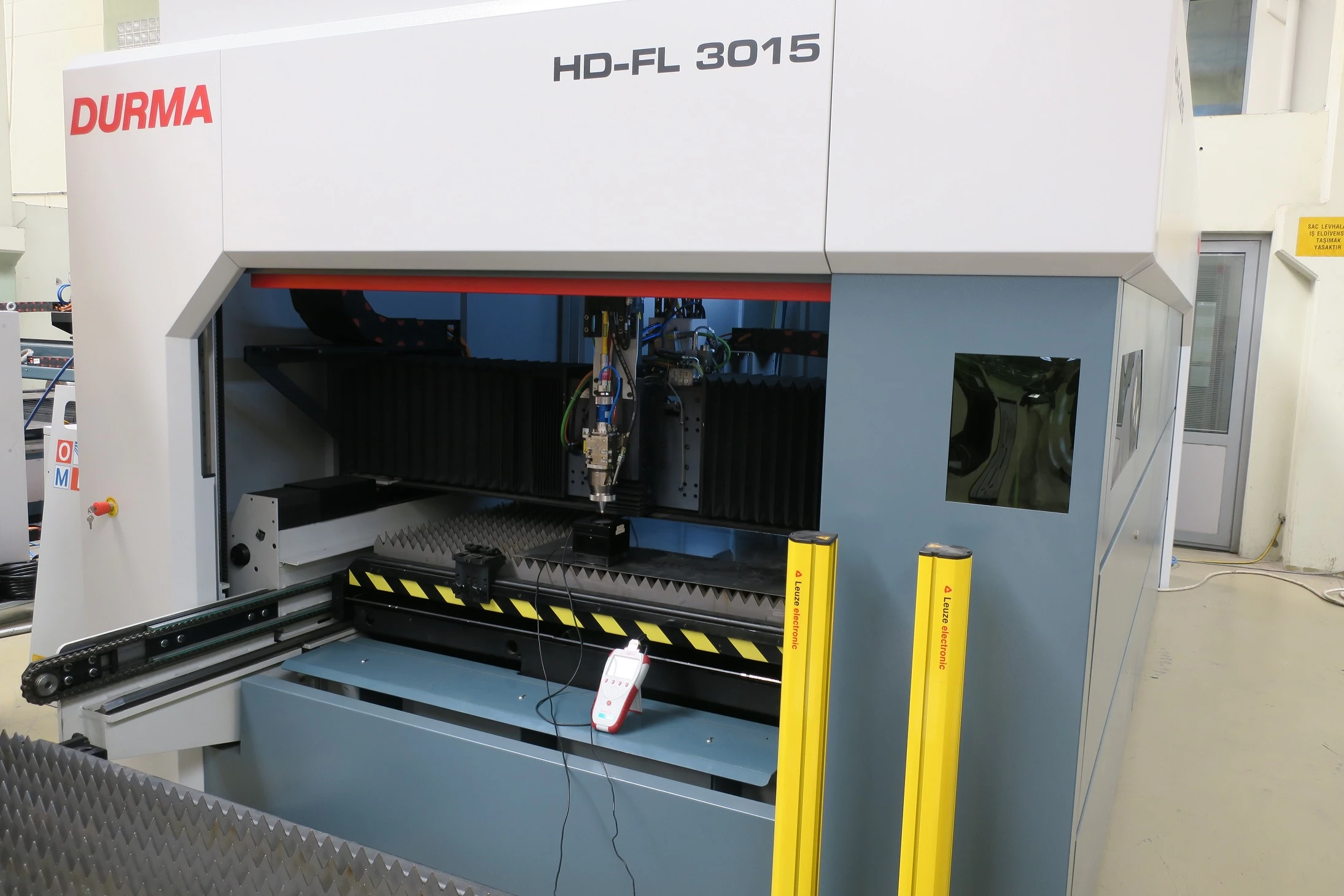
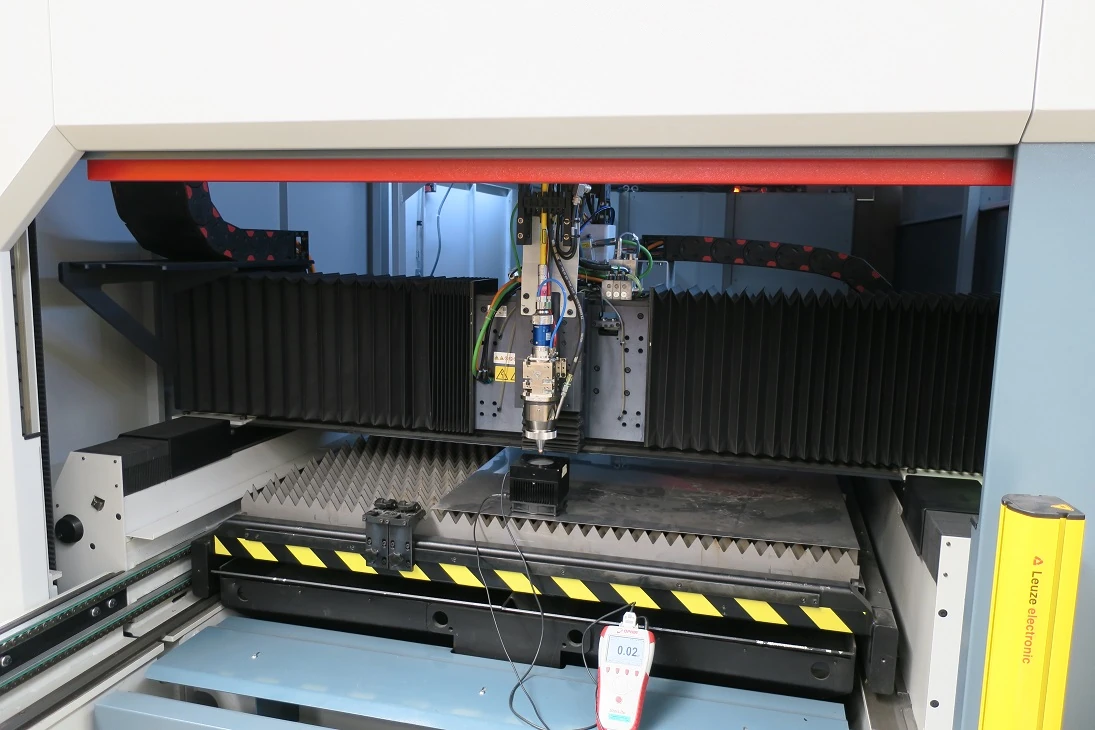
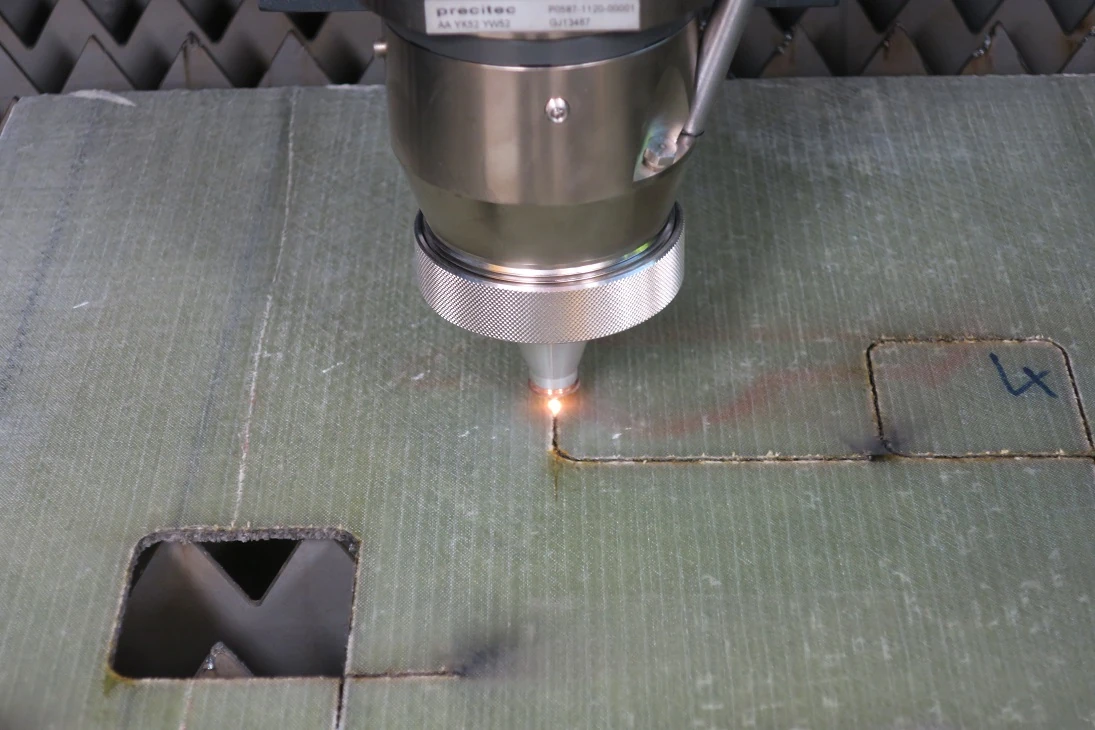
In collaboration with Durmazlar Makina, we have used our fiber lasers to process composites. The images show the cutting of E-glass; similar materials have also been processed with our laser systems. We evaluate the suitability of further composites based on their fiber and matrix structure and the required cut geometry.

Evaluating your composite cutting process

Suitability depends on fiber type, matrix material, laminate structure, component thickness, cutting geometry and process requirements. Futonics supports application evaluation and selection of a suitable laser module.

Advantages

Suitable applications

Cutting Fiber-Reinforced Plastics - 1

Recommended Laser Systems

Futonics Laser

Technical consulting for your application

Whether a 2 µm thulium fiber laser is suitable depends on material, geometry and process requirements. Contact Futonics to discuss your application.

Discuss your application

Necessary storage enables essential website functions. With your permission, analytics helps us understand website use and marketing measures advertising performance. Optional categories stay off until you agree.

Always active. Includes storing your privacy choice.

Allows statistical analysis of website use.

Allows advertising measurement and personalization.

Privacy Policy