

AI-modified image

Glass Processing

Cutting Laminated Glass

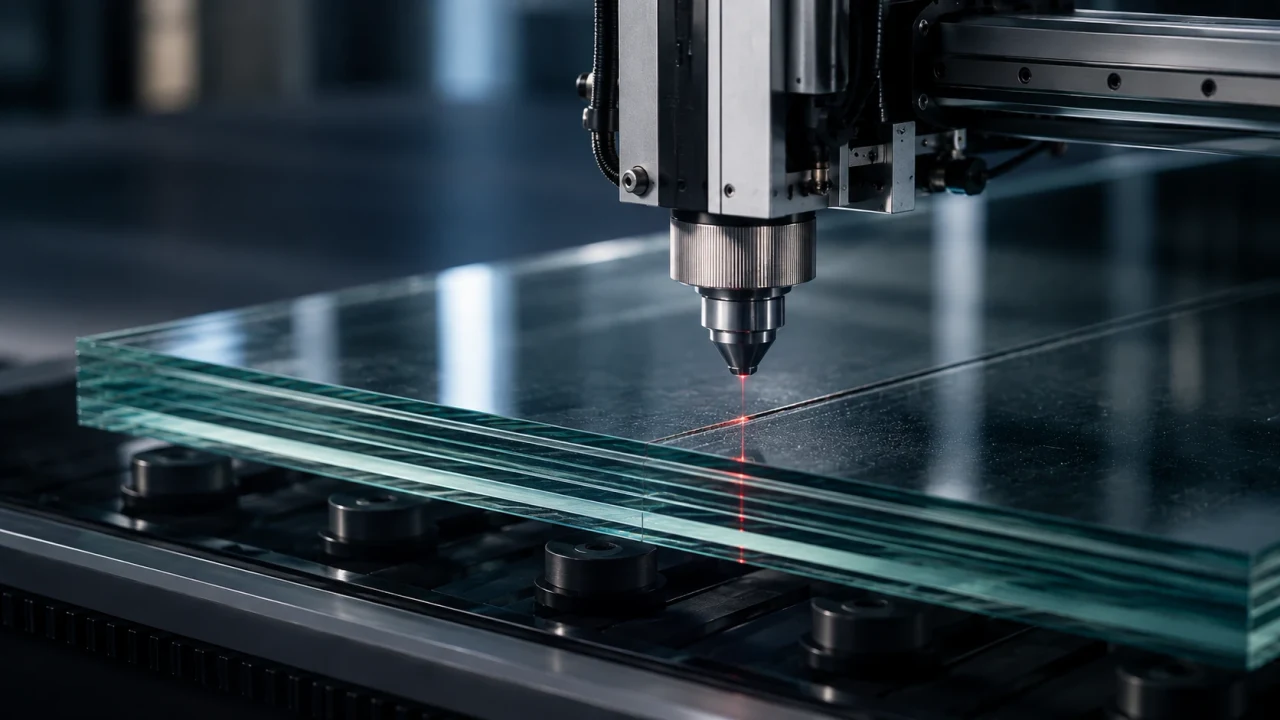
Separate the polymer interlayer precisely through the glass. Futonics thulium fiber lasers use selective absorption around 2 µm for contact-free interlayer cutting, supporting clean contours and automation alongside conventional glass-cutting tools.

Discuss your application

Selective separation of the polymer interlayer

Laminated safety glass combines glass layers with a polymer interlayer such as PVB or EVA. Conventional tools separate the glass, while the plastic interlayer remains a specific processing challenge.

Because many polymers absorb 2 µm radiation more strongly than glass, the interlayer can be processed selectively through the glass along straight or contoured paths.

The advantages of 2 µm lasers for laminated glass

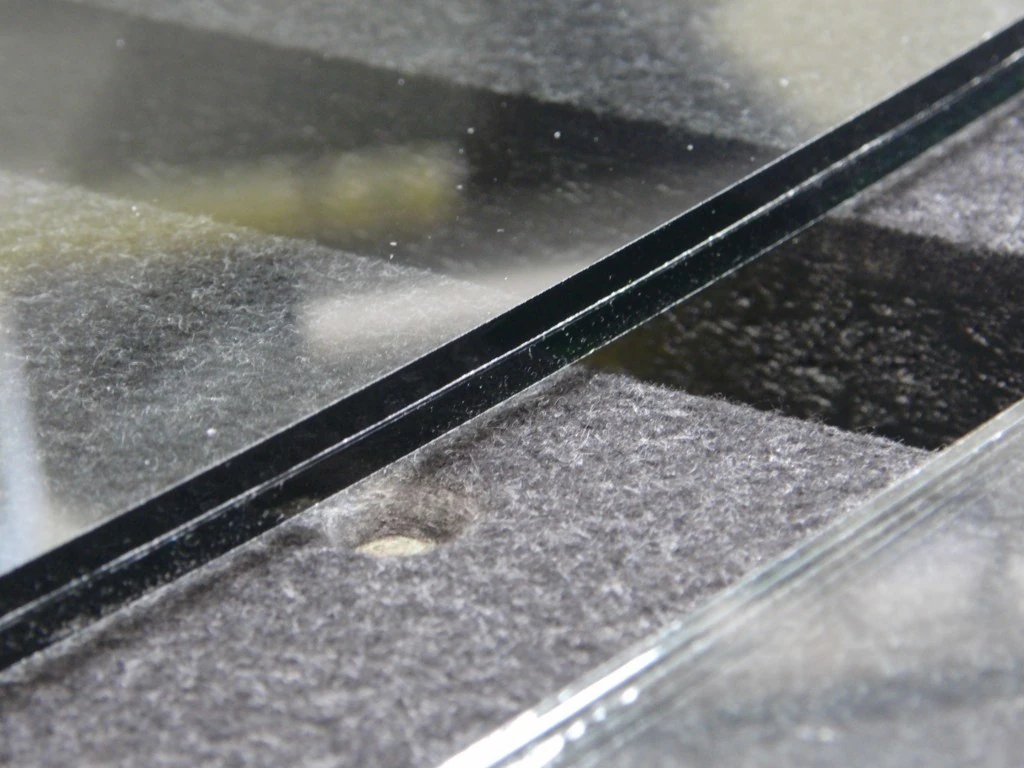
Laser-based separation avoids mechanically pulling the film apart and can reduce jagged film edges, uneven borders and additional infrared-heating steps.

Combining proven glass scoring or diamond cutting with laser-based film separation expands automation possibilities, especially for contours and free-form geometries.

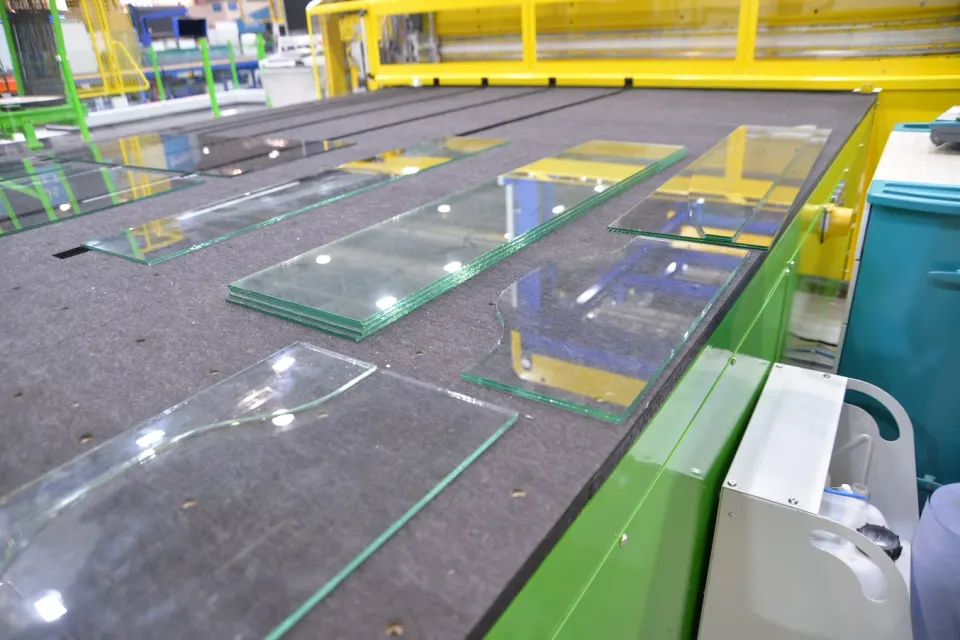
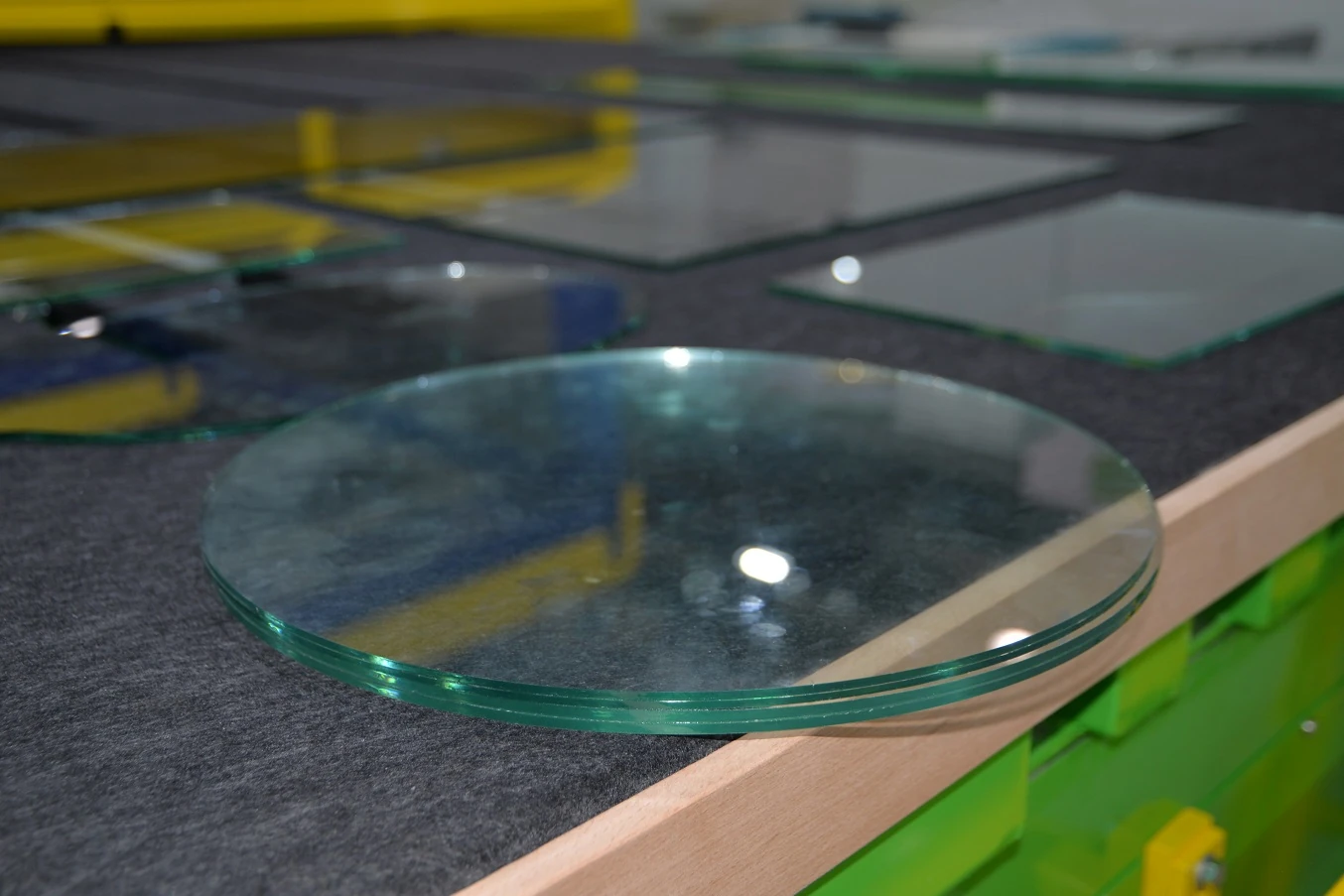
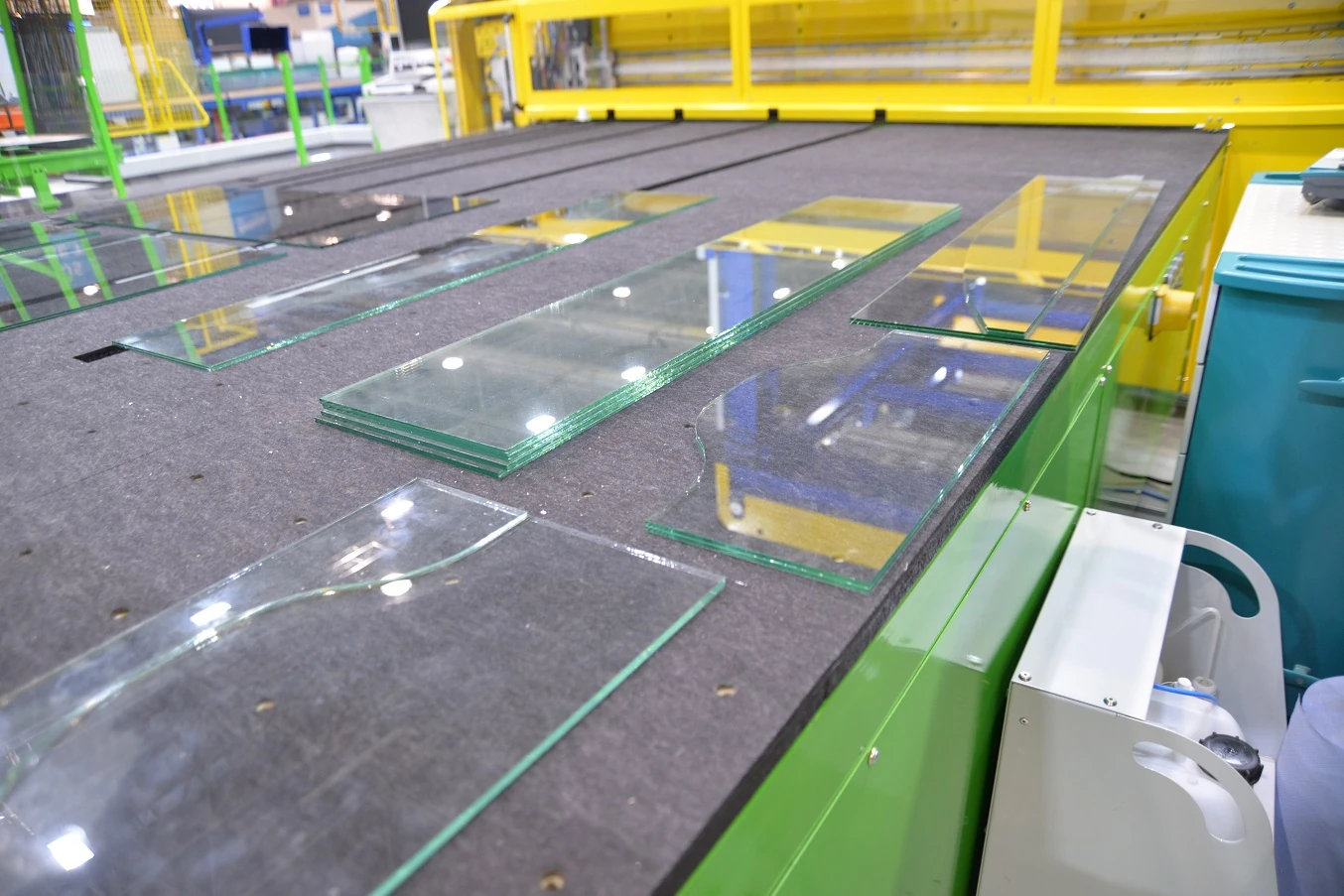
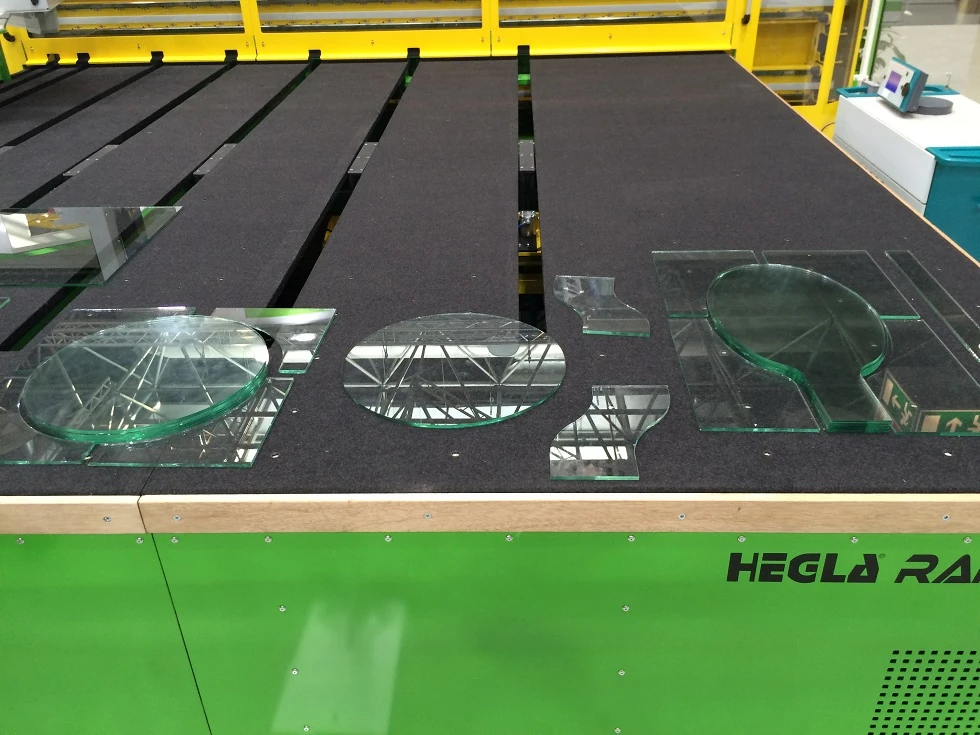
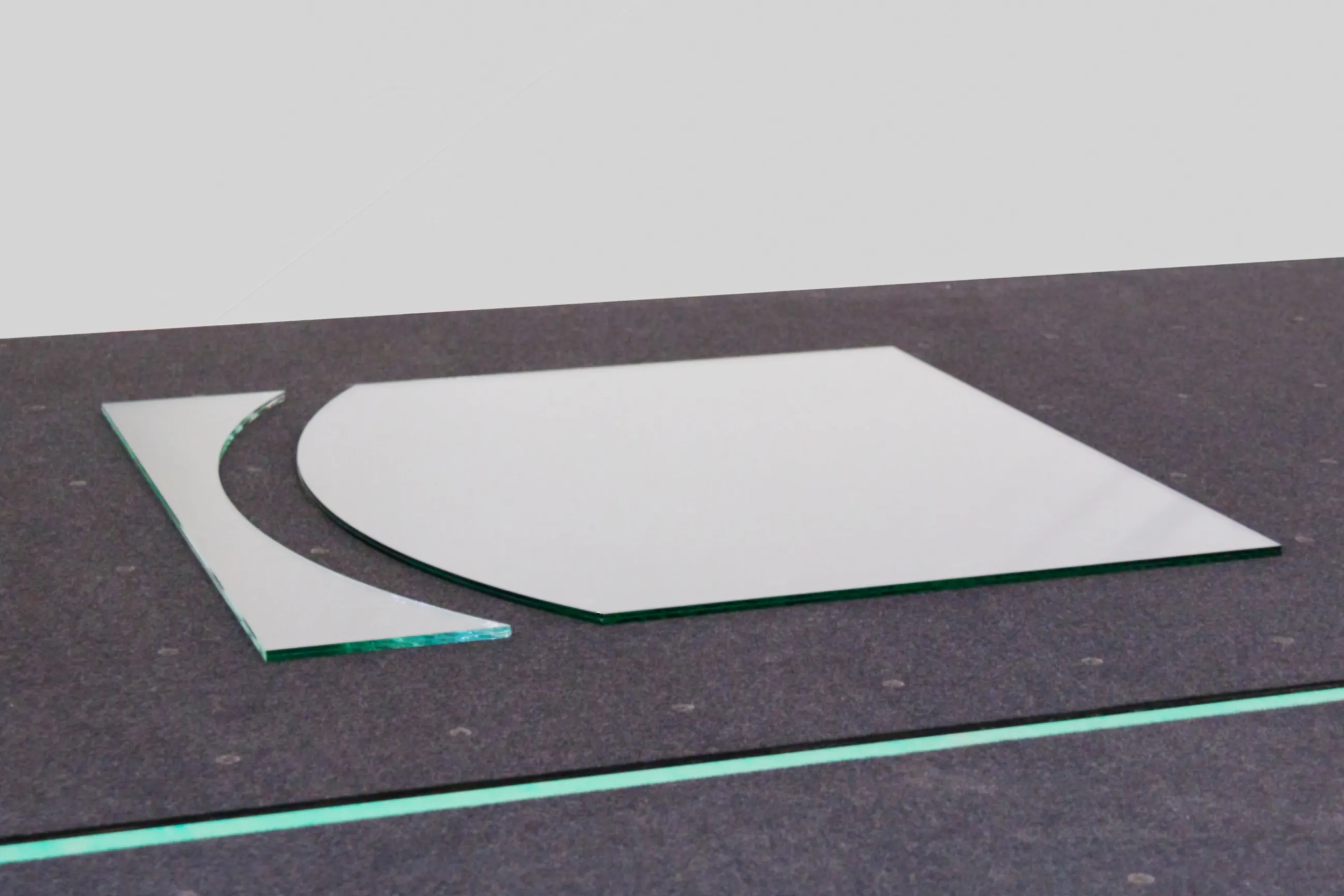
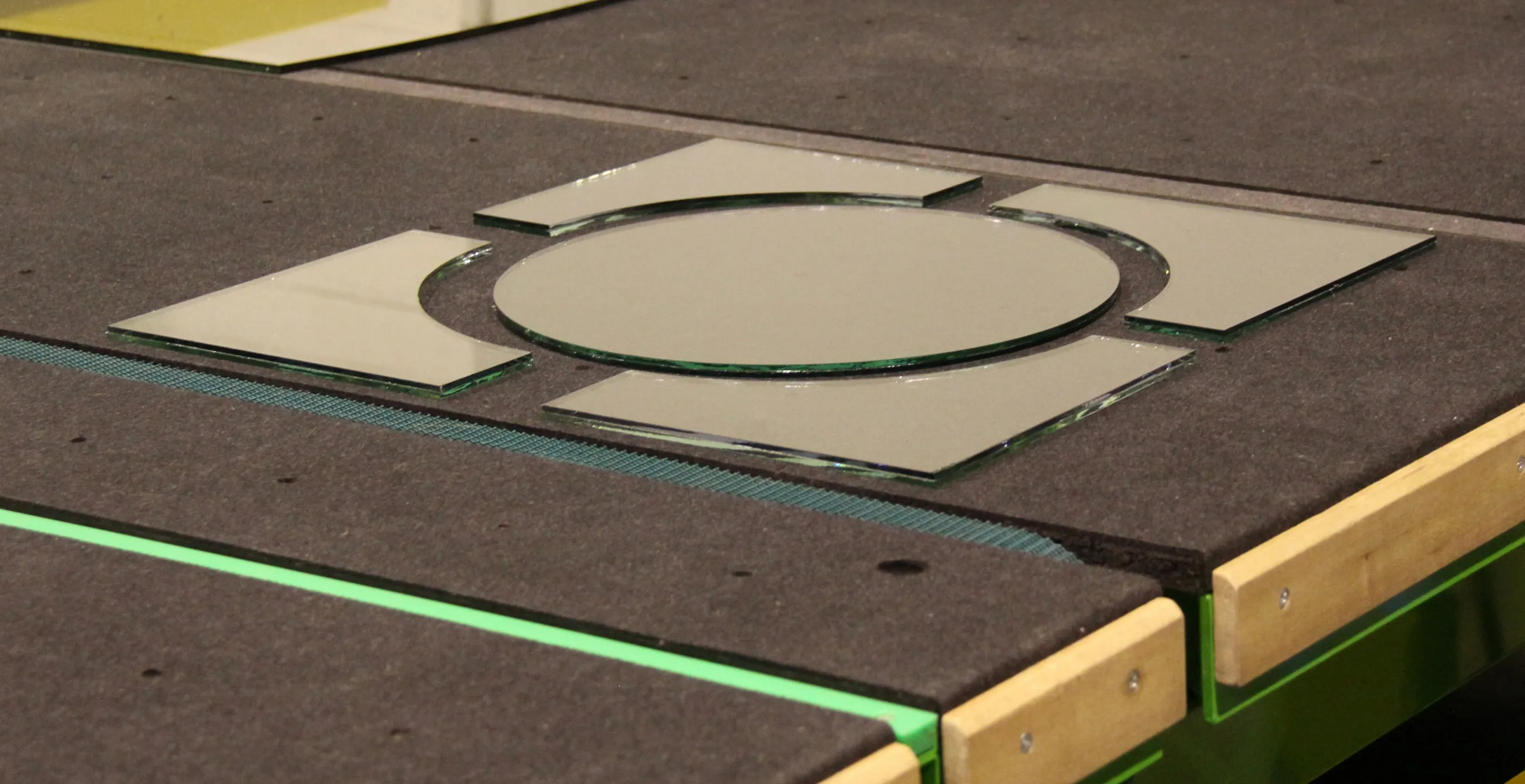
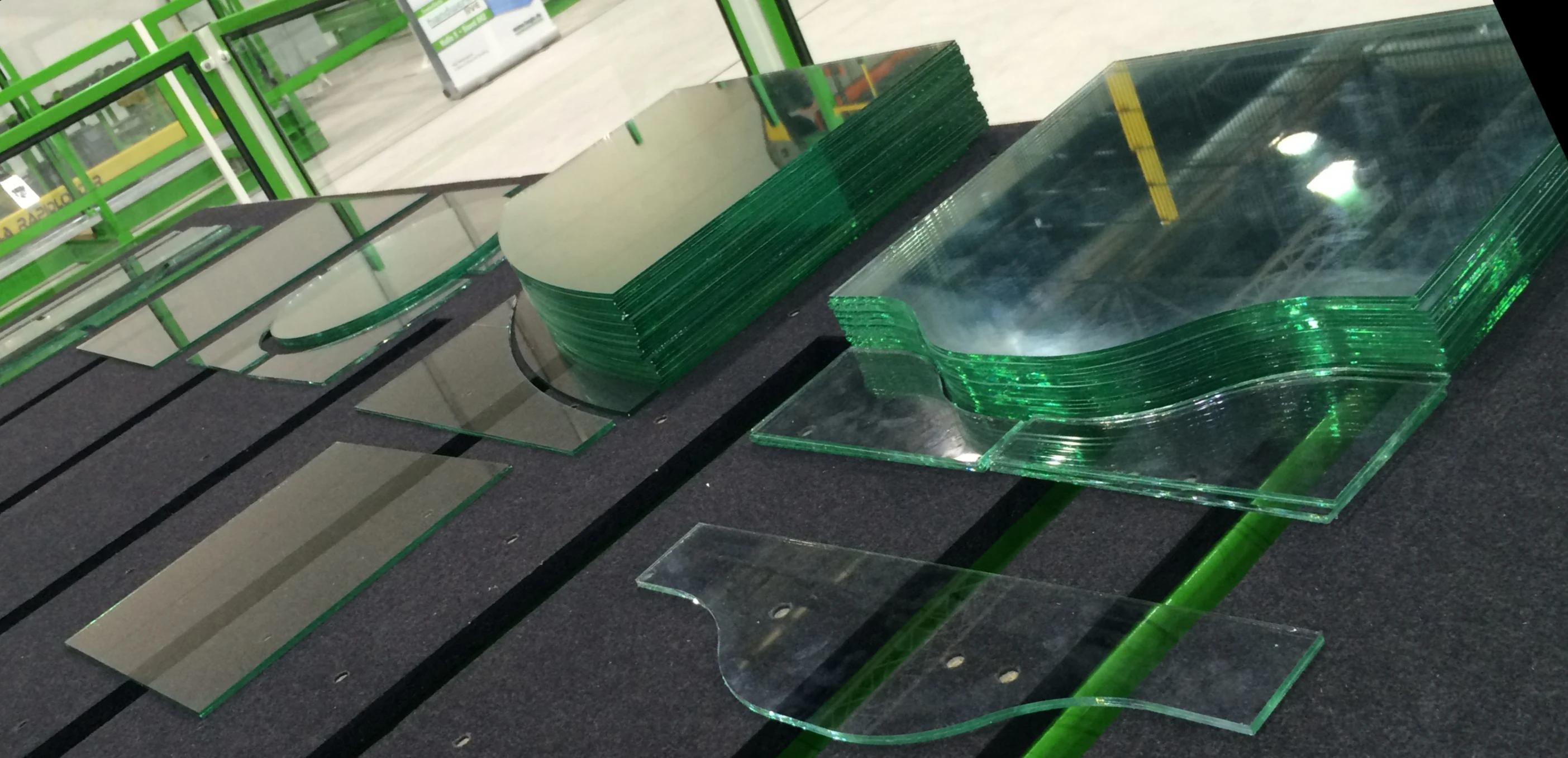
Laminated glass sheets processed with laser-assisted interlayer cutting.

Combining glass cutting with interlayer separation

Laminated safety glass processing involves two different tasks: separating the glass sheets and separating the polymer between them. Conventional glass tools can cut the glass, while mechanical pulling or infrared heating is used to separate the film. Pulling the film apart can leave uneven borders or draw material out of the edge region.

In the Futonics process, the laser addresses the polymer interlayer through the glass. The glass itself continues to be processed with established scoring or diamond-cutting tools. This distinction is important: the 2 µm application concerns selective film separation, not replacement of every glass-cutting step.

Contoured laminated-glass cutting and the HEGLA collaboration

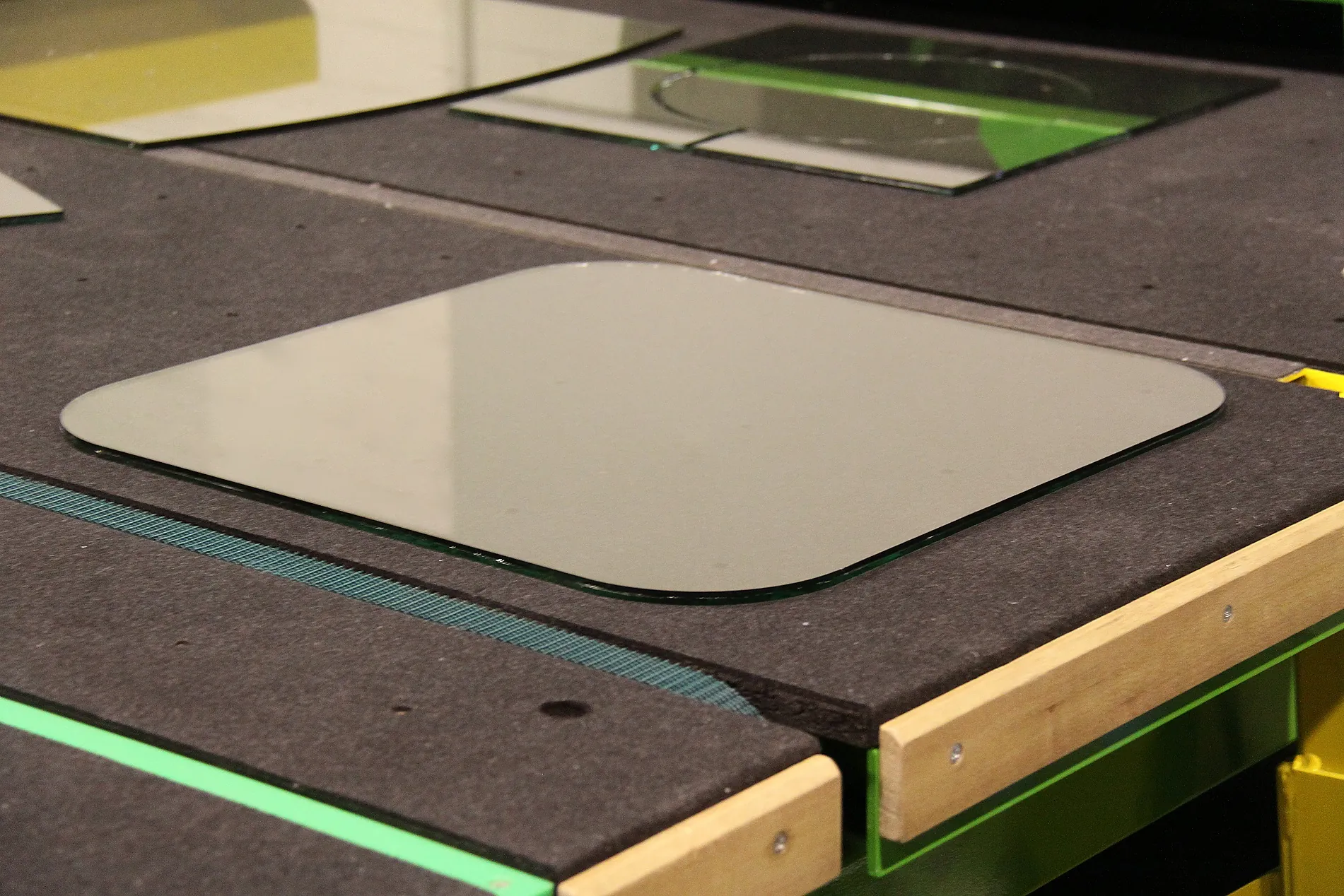
Selective laser separation follows the desired film contour and supports processing beyond straight cutting lines. The combination with conventional glass cutting is relevant to free-form geometries and automated glass-processing systems. PVB, EVA and comparable polymer interlayers must be evaluated within the actual glass construction.

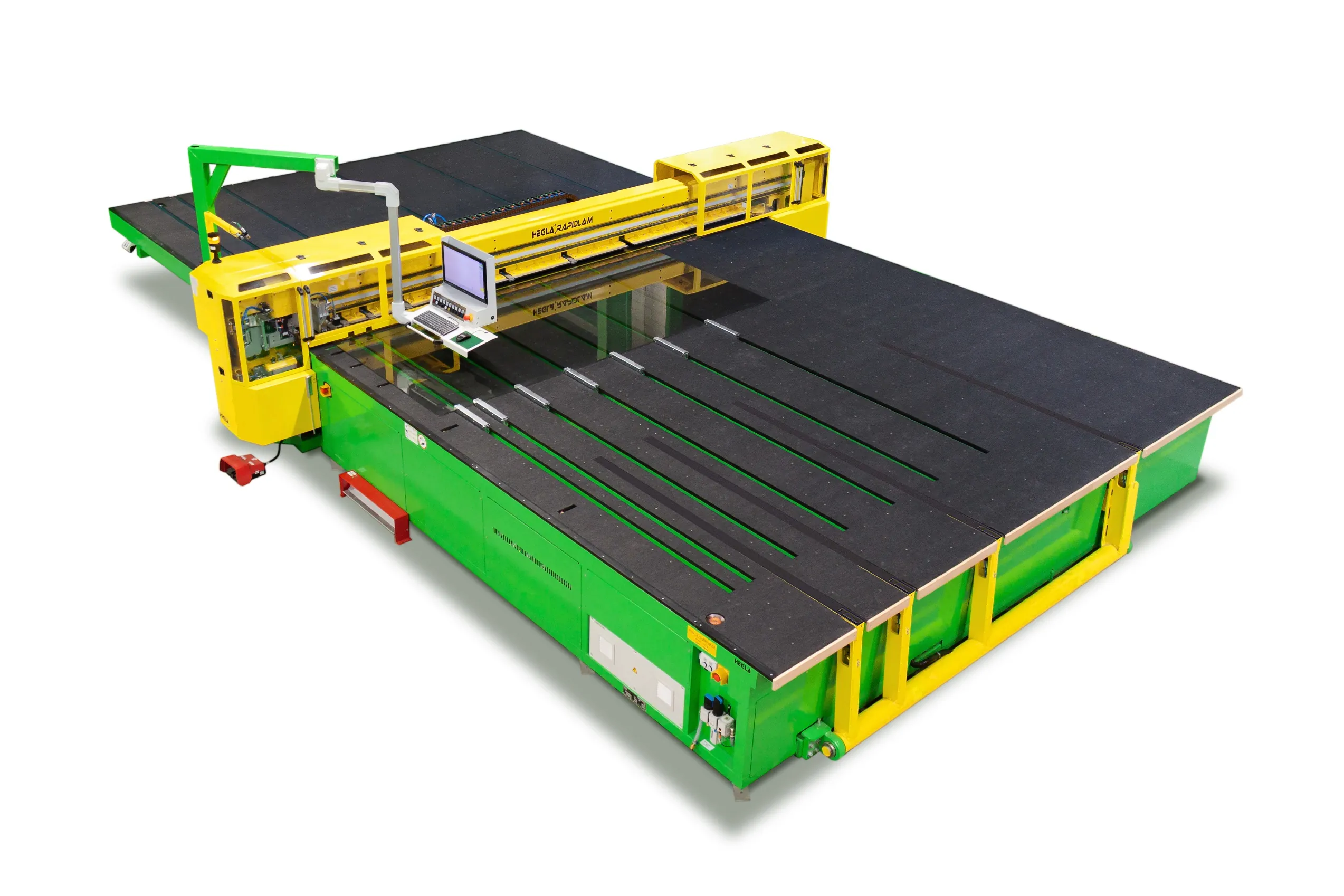
Together with HEGLA GmbH & Co. KG, we developed a contoured laminated-glass cutting machine that was demonstrated at Glasstec in 2016 and 2018. The machine combines conventional glass cutting with laser separation of the polymer interlayer. Images and videos are provided courtesy of HEGLA.

Evaluating your laminated-glass process

Suitability depends on glass construction, interlayer material, layer thickness, contour, process speed and system concept. Futonics supports application evaluation and selection of a suitable laser module for automated glass-processing systems.

Advantages

Suitable applications

Cutting Laminated Glass - 1

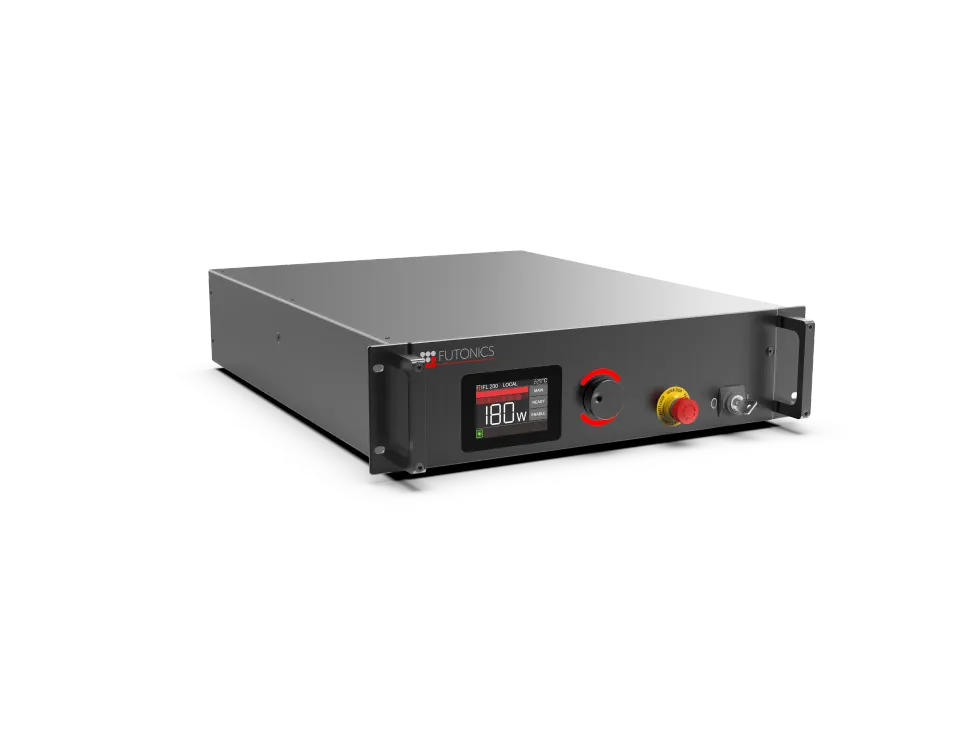
Recommended Laser Systems

Futonics Laser

Technical consulting for your application

Whether a 2 µm thulium fiber laser is suitable depends on material, geometry and process requirements. Contact Futonics to discuss your application.

Discuss your application

Necessary storage enables essential website functions. With your permission, analytics helps us understand website use and marketing measures advertising performance. Optional categories stay off until you agree.

Always active. Includes storing your privacy choice.

Allows statistical analysis of website use.

Allows advertising measurement and personalization.

Privacy Policy