

AI-modified image

Marking & Labeling

Marking Metals

Create permanent metal markings with fine detail. Futonics thulium fiber lasers offer high beam quality and controlled energy delivery for annealing, engraving and surface structuring matched to your material and marking requirements.

Discuss your application

Permanent identification of metal components

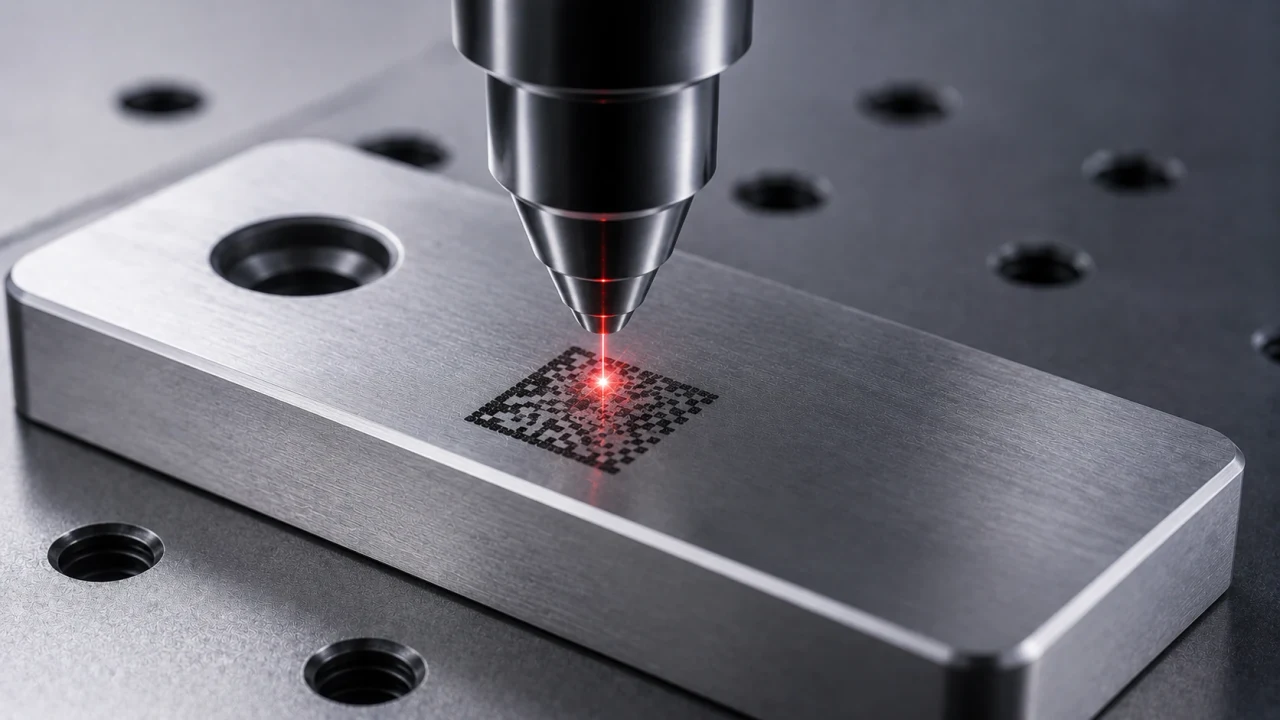
Laser marking applies serial numbers, product data, logos, text and machine-readable codes directly to the metal surface without labels or mechanical tools.

Depending on the material and process, marking can be produced by annealing, engraving or surface structuring.

The advantages of thulium fiber lasers for metal marking

High beam quality and controlled energy delivery support fine details, high readability and repeatable marking on aluminum, stainless steel, steel, alloys and coated metals.

For suitable metals, controlled heating can create a dark oxide layer with little material removal; deeper engraving can be used when a recessed marking is required.

Laser engraving and annealing on a metallic workpiece.

Which metals and surfaces can be marked?

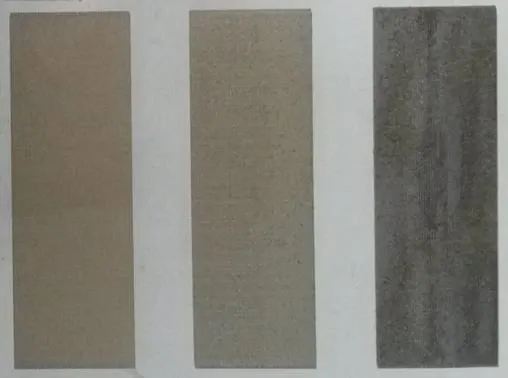
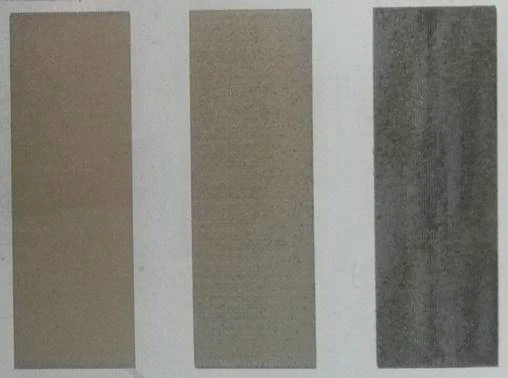
Our lasers can mark aluminum, stainless steel, steel, metal alloys and coated surfaces. Copper, brass, silver and gold can also be marked or engraved with suitable process parameters. We match the marking process to the alloy, surface and desired result.

A coating can change the required interaction and the resulting appearance. The video shows a serial number engraved on anodized aluminum for an F-TO 175/2000 optic: a practical example of permanent identification on a finished component.

Annealing marks or recessed laser engraving?

For suitable metals, especially stainless steel, controlled heating forms a dark oxide layer without substantial material removal. This annealing mark differs from engraving, which removes material to produce a recessed feature. The choice follows the required contrast, marking depth and surface result.

Permanent identification supports traceability and quality assurance in electronics, mechanical engineering, toolmaking, automotive and aerospace production. Codes, nameplates and functional tool markings must remain readable in their intended use, so material, surface condition and processing speed belong in the evaluation alongside the marking pattern.

Evaluating your metal marking process

Suitability depends on material, alloy, coating, desired contrast or depth, processing speed and geometry. Futonics supports application evaluation and selection of a suitable laser module.

Advantages

Suitable applications

Laser-marked metal surface

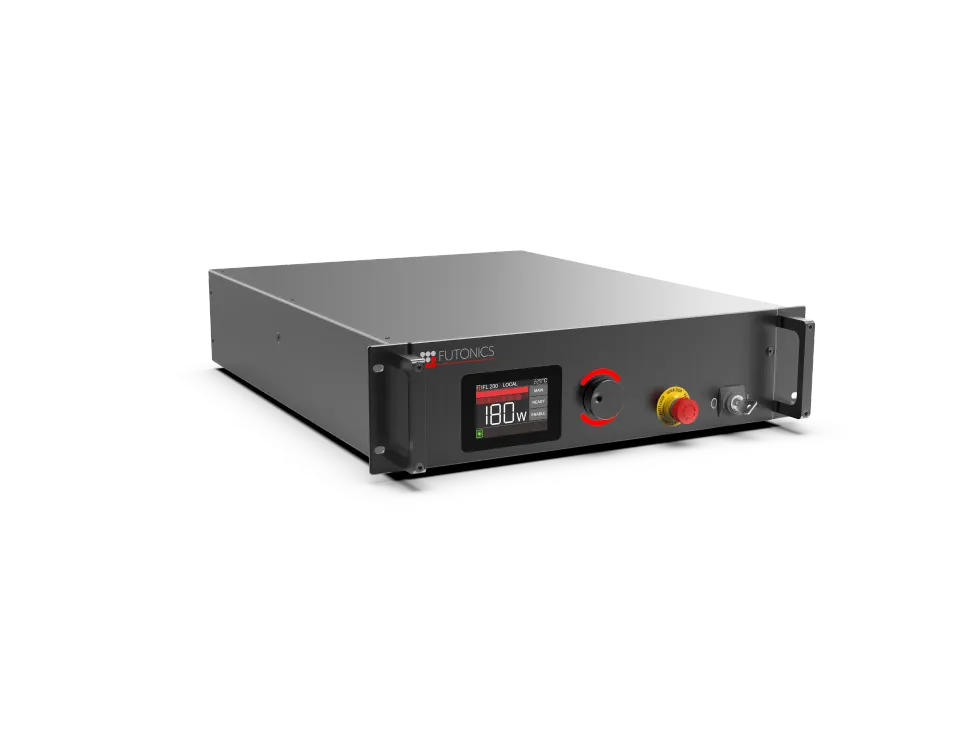
Recommended Laser Systems

Futonics Laser

Technical consulting for your application

Whether a 2 µm thulium fiber laser is suitable depends on material, geometry and process requirements. Contact Futonics to discuss your application.

Discuss your application

Necessary storage enables essential website functions. With your permission, analytics helps us understand website use and marketing measures advertising performance. Optional categories stay off until you agree.

Always active. Includes storing your privacy choice.

Allows statistical analysis of website use.

Allows advertising measurement and personalization.

Privacy Policy