

AI-modified image

Industrial Plastic Processing

Plastic Welding

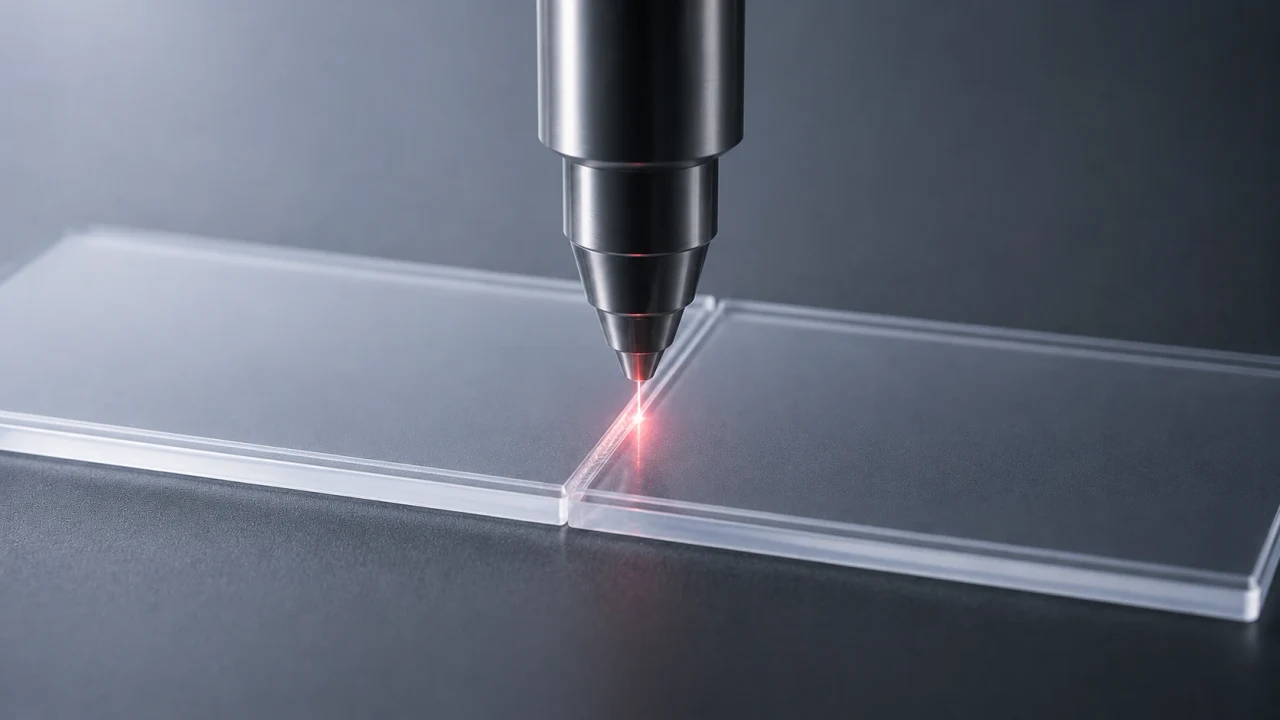
Weld transparent polymers precisely with Futonics thulium fiber lasers. Intrinsic absorption around 2 µm enables joining without added absorbers for suitable materials, while high beam quality supports fine, reproducible weld seams.

Discuss your application

Precise joining of polymers

Many plastics intrinsically absorb laser radiation around 2 µm. For suitable materials, welding can therefore take place without added absorbers, pigments or additives.

The process enables clean, reproducible joints with locally confined heat input. It is particularly relevant where optical quality, defined joining contours and contact-free processing are important.

The advantages of 2 µm lasers for plastic welding

Absorption, penetration depth and beam quality determine how energy reaches the joint. Thulium fiber lasers combine high beam quality with absorption characteristics suitable for many polymers, enabling controlled welding of transparent and colored thermoplastics.

CO₂ lasers can achieve high processing speeds but often offer limited penetration depth. Diode and Nd:YAG lasers are frequently used with absorbing or additive-containing materials. The appropriate laser depends on the material and joining task.

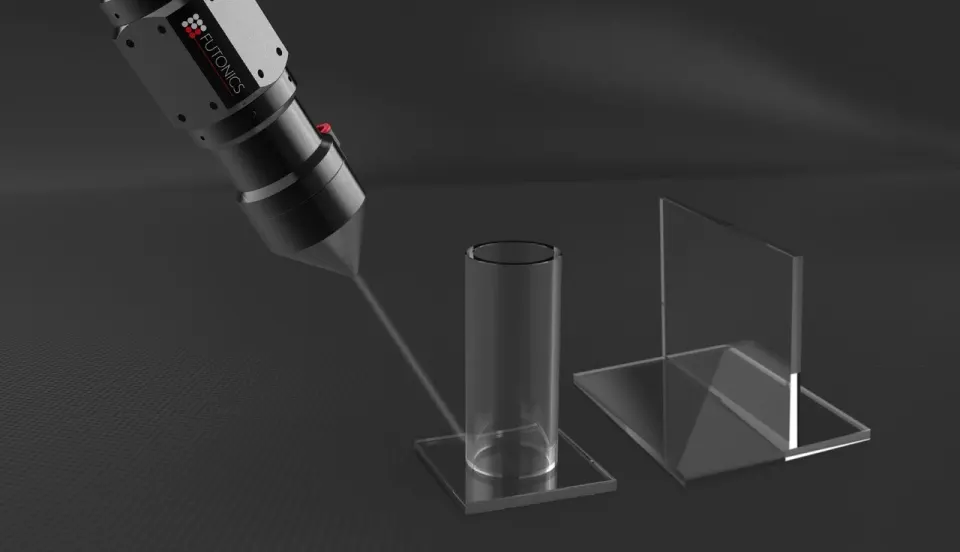
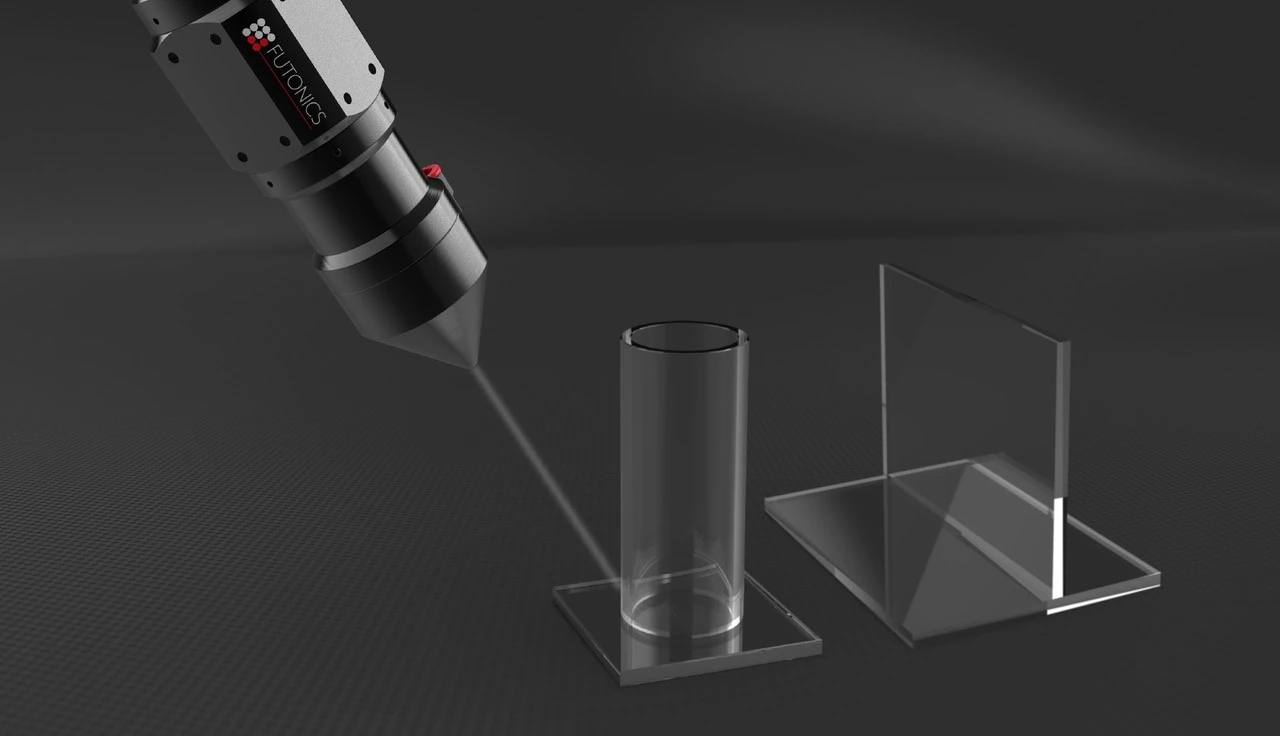
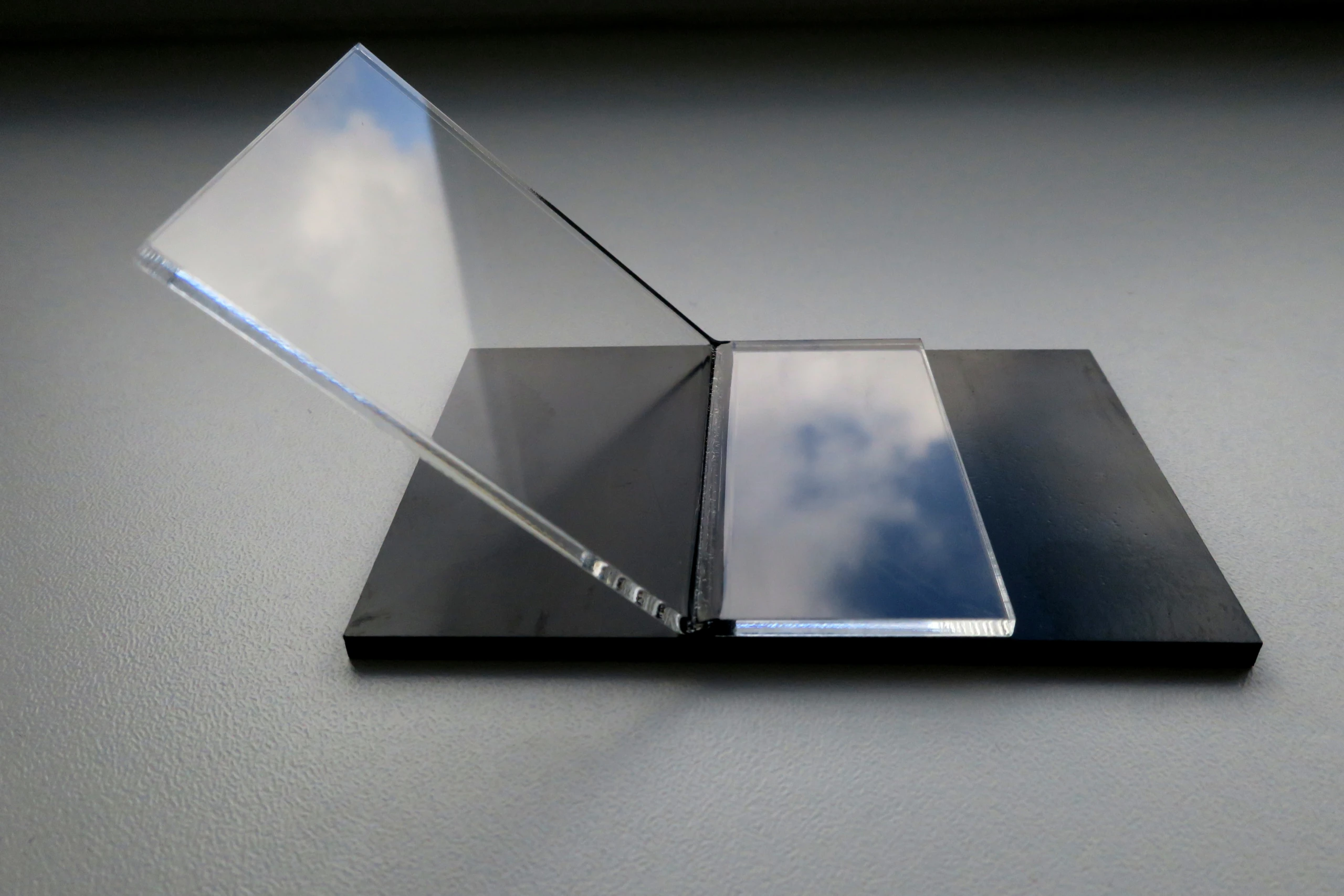
Illustration of different polymer joining geometries beneath a laser processing head.

Joining geometries and optical surface quality

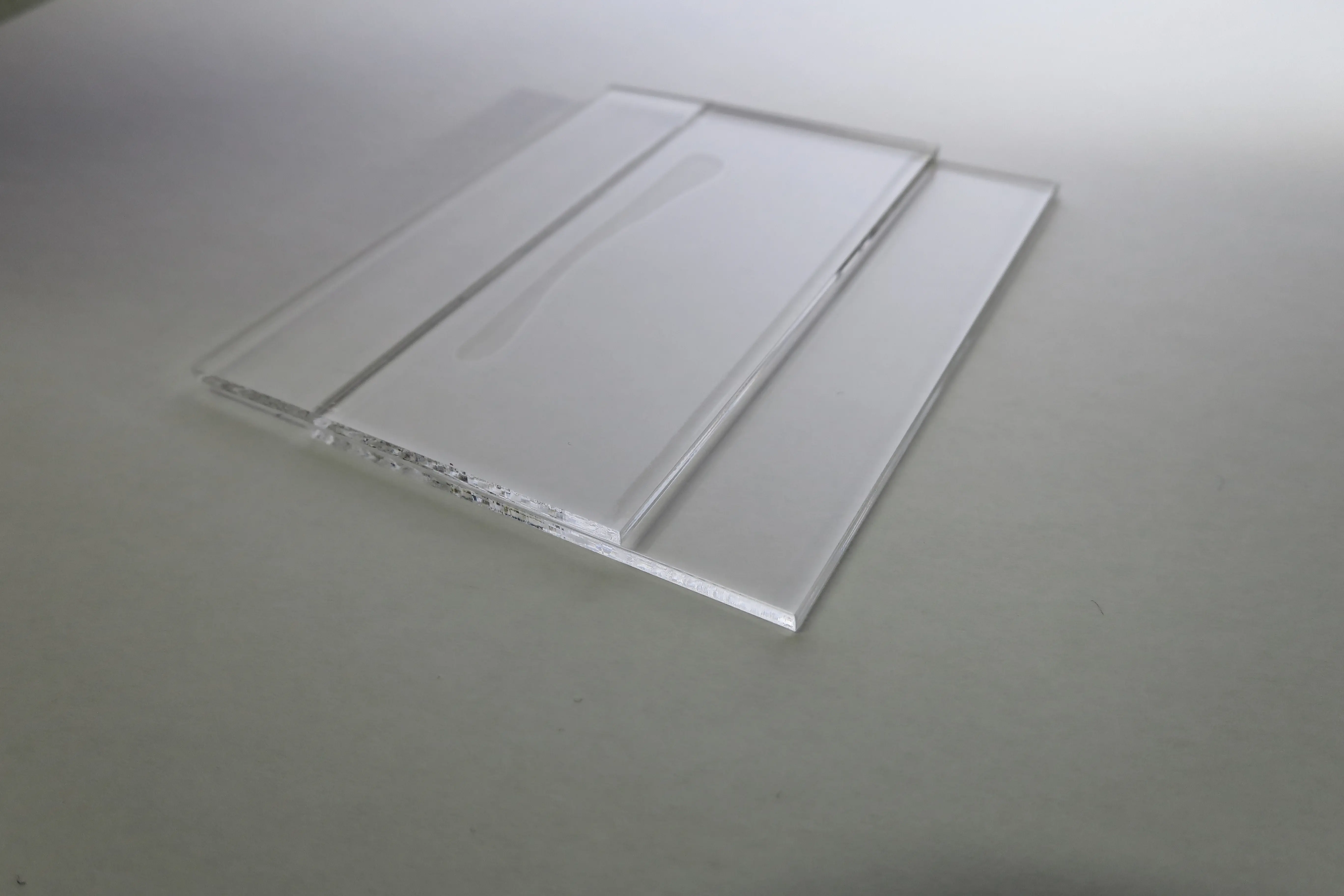
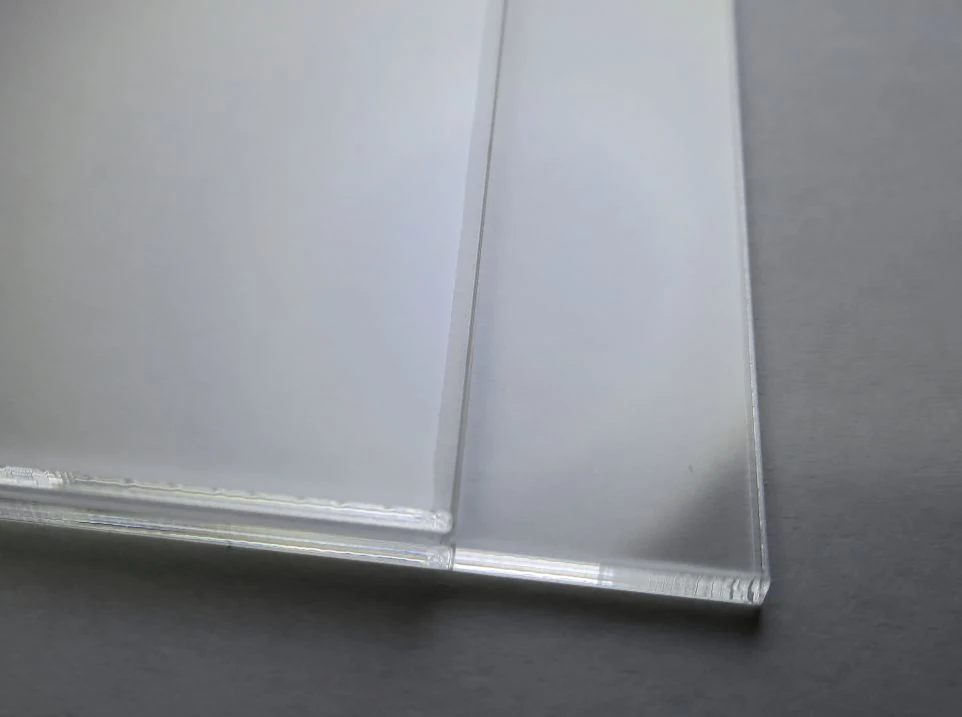
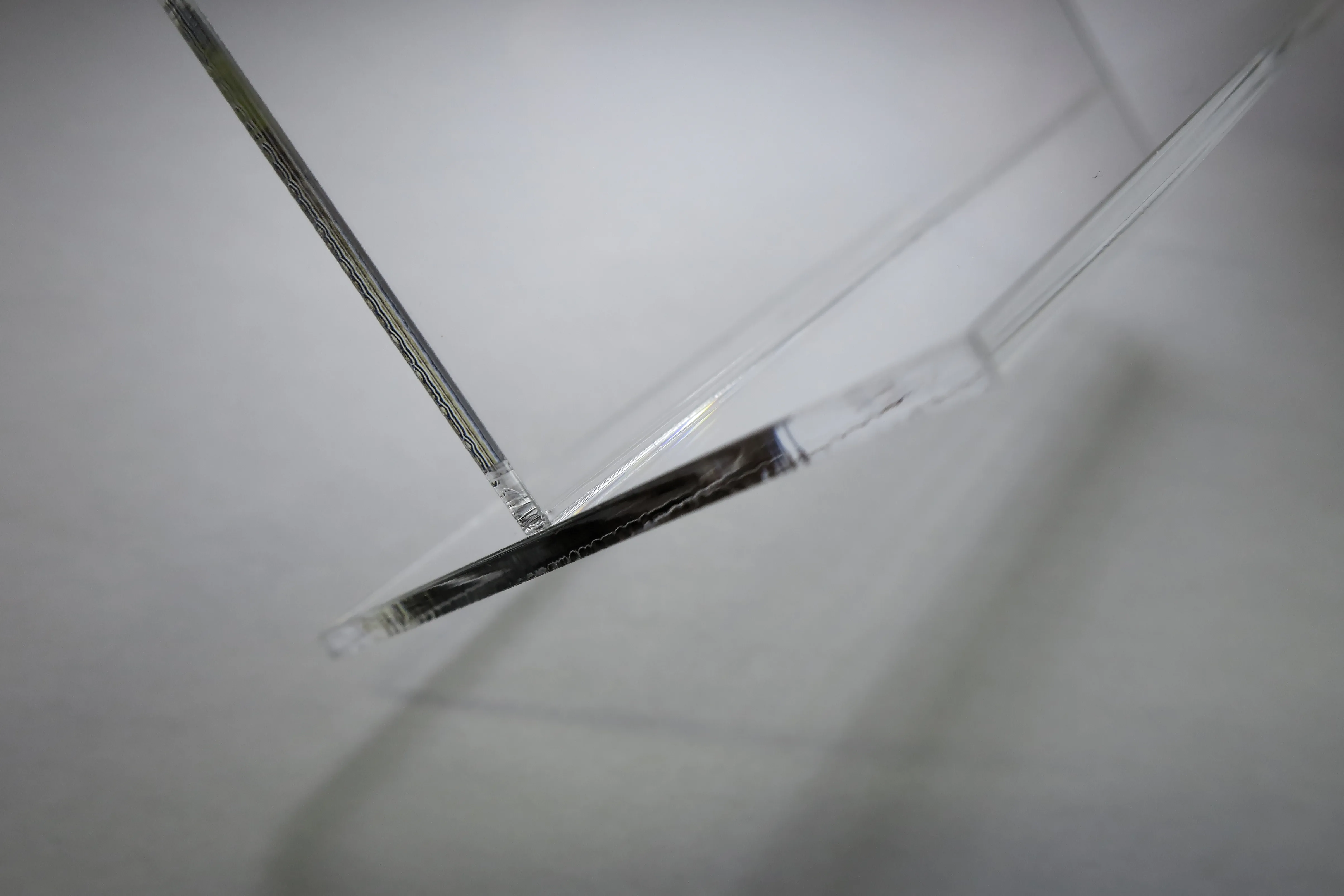
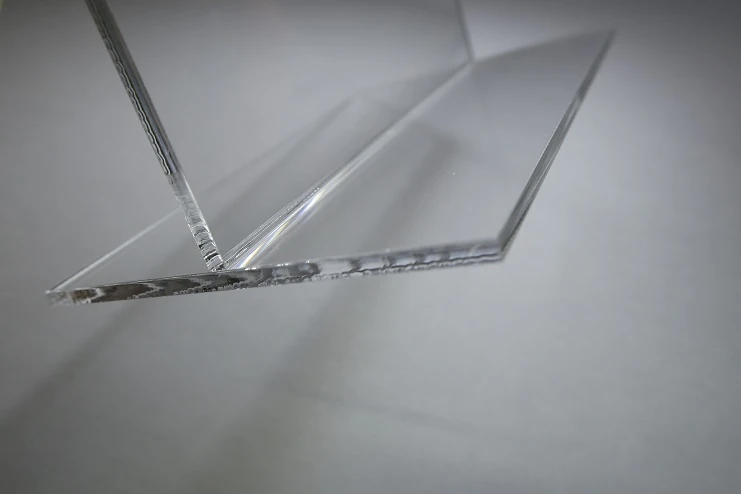
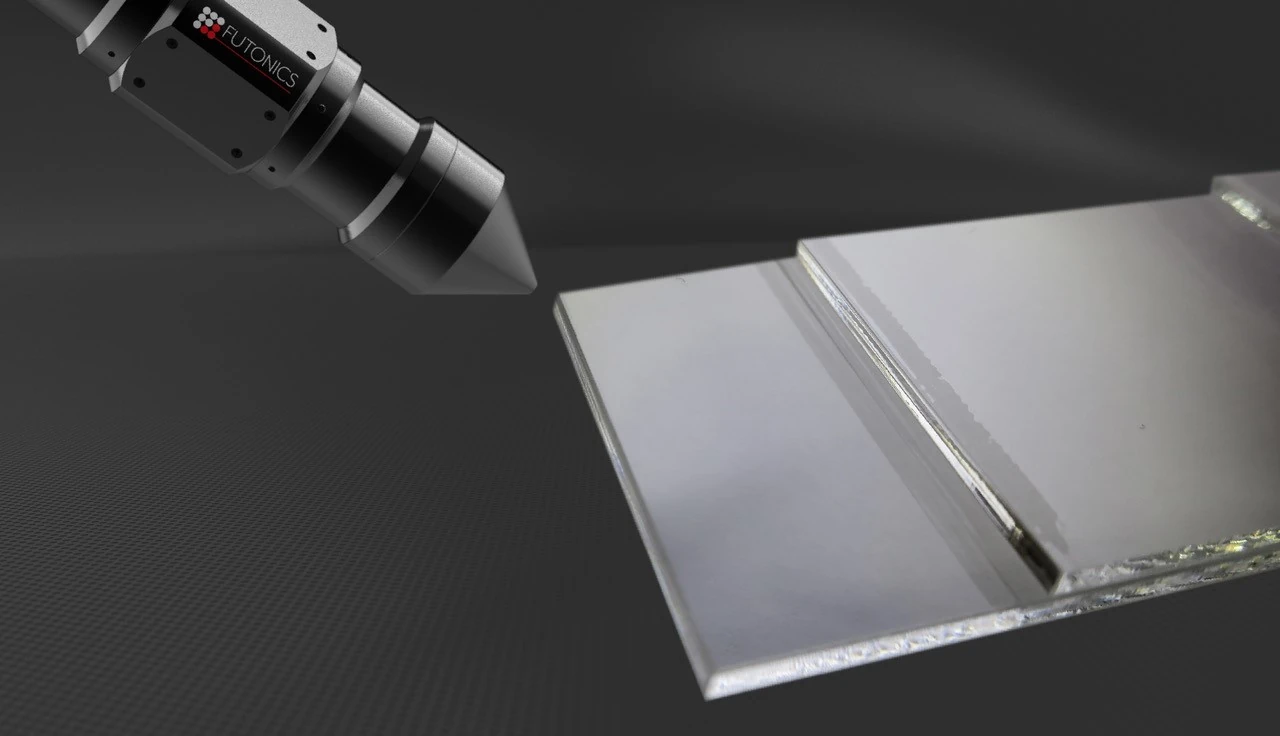
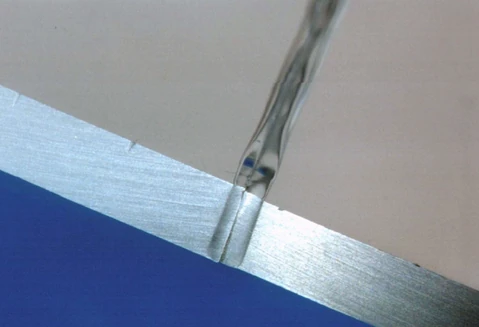
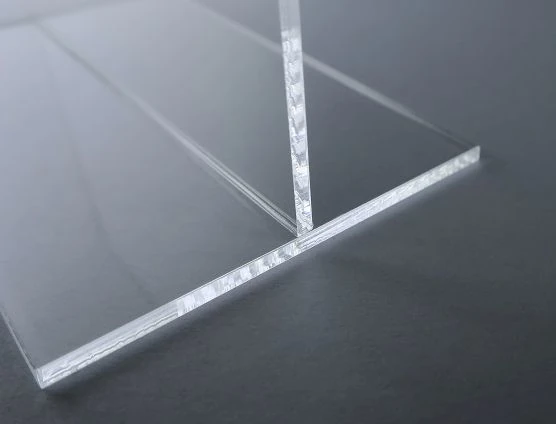
Plastic welding with a 2 µm thulium fiber laser is relevant where the joint must follow a defined contour while the component retains its optical quality. Applications include butt joints and the joining of transparent sheets and technical housings. Suitable process parameters can produce clean surfaces without visible marking outside the intended joining area.

Material absorption, wall thickness and weld seam design must be considered together. The possibility of welding without added absorbers applies to suitable polymers; it is not a general statement that every transparent plastic can be processed with the same settings.

Selecting a laser for polymer welding

The required penetration depth distinguishes different polymer joining tasks. CO₂ lasers are particularly suited to surface-near processing and thin films, while diode and Nd:YAG processes frequently use absorbing or additive-containing materials. Thulium fiber lasers provide a further option where intrinsic absorption around 2 µm and single-mode beam quality suit the joining task.

Our thulium fiber lasers are used to join medical polymer components, sensors, diagnostic components and microfluidic structures. Learn more about the process in the publication on welding transparent and opaque polymers linked below.

Evaluating your welding process

Suitability depends on polymer composition, component geometry, weld seam design, wall thickness and process requirements. Futonics supports application evaluation and selection of a suitable laser module for laboratory, industrial or OEM systems.

Advantages

Suitable applications

Plastic welding - image 1

Recommended Laser Systems

Further Reading

Futonics Laser

Technical consulting for your application

Whether a 2 µm thulium fiber laser is suitable depends on material, geometry and process requirements. Contact Futonics to discuss your application.

Discuss your application

Necessary storage enables essential website functions. With your permission, analytics helps us understand website use and marketing measures advertising performance. Optional categories stay off until you agree.

Always active. Includes storing your privacy choice.

Allows statistical analysis of website use.

Allows advertising measurement and personalization.

Privacy Policy